
Early Childhood
Curiosity, Connection, and Confidence Begin Here
The Early Childhood Program at Lesley Ellis School offers play-based preschool, prekindergarten, and transitional kindergarten in Arlington, MA.
Designed for young learners, the program helps students build curiosity, confidence, independence, empathy, and foundational academic skills.
Children learn through meaningful play, hands-on exploration, storytelling, movement, art, outdoor discovery, and conversation. Teachers listen carefully to students’ ideas and questions, then design learning experiences that support social-emotional growth, early literacy, early numeracy, problem-solving, collaboration, and creative expression.
Small class sizes allow teachers to know each student well and provide personalized support. As part of an inclusive preschool through grade 8 independent school, young learners also benefit from a caring community, specialist teachers, assemblies, outdoor learning, and a smooth transition into kindergarten and elementary school.
Lesley Ellis serves preschool, prekindergarten, and transitional kindergarten students who are ready to explore, play, build friendships, develop independence, and begin seeing themselves as capable learners.
Preschool
Preschool
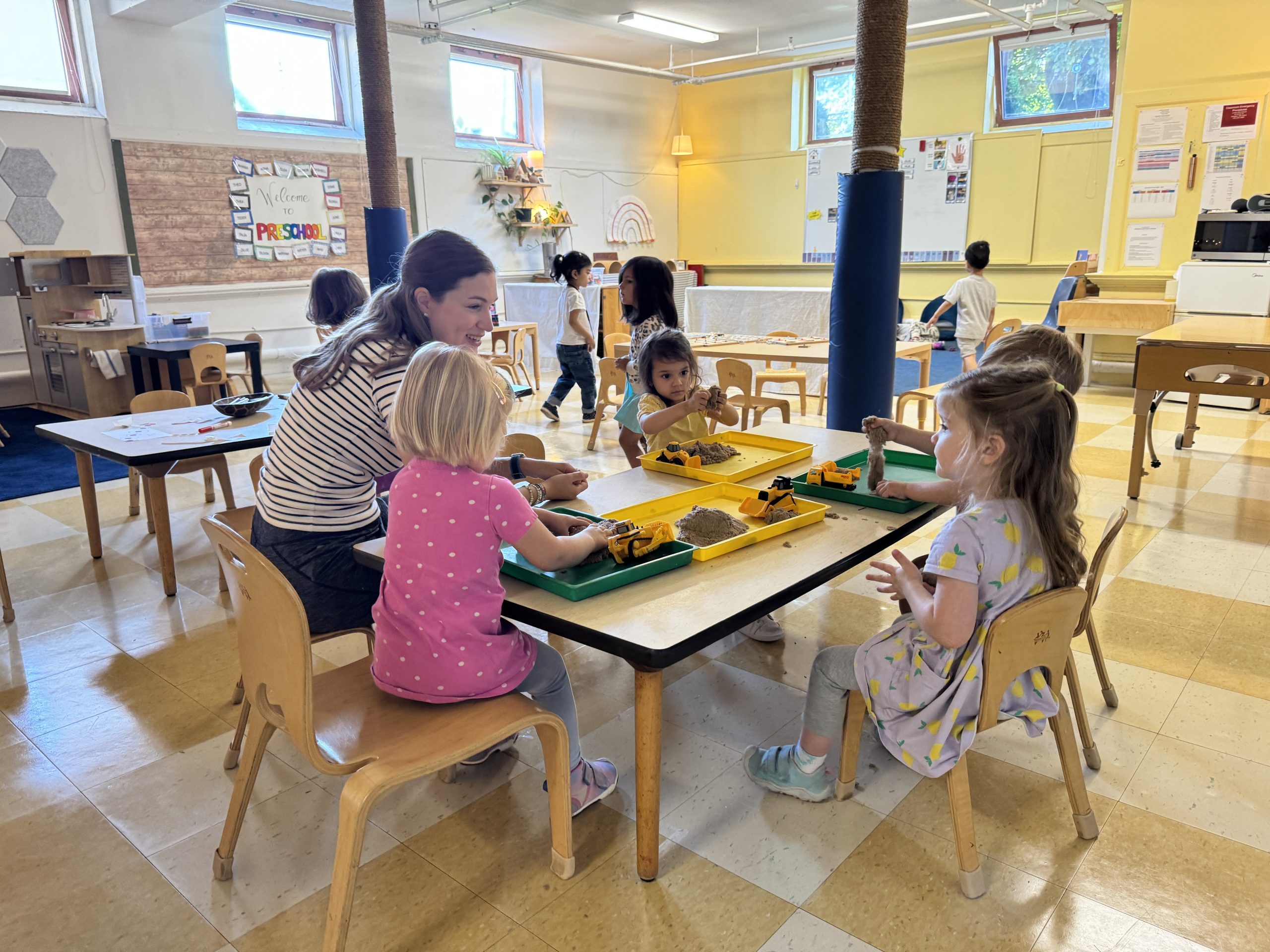
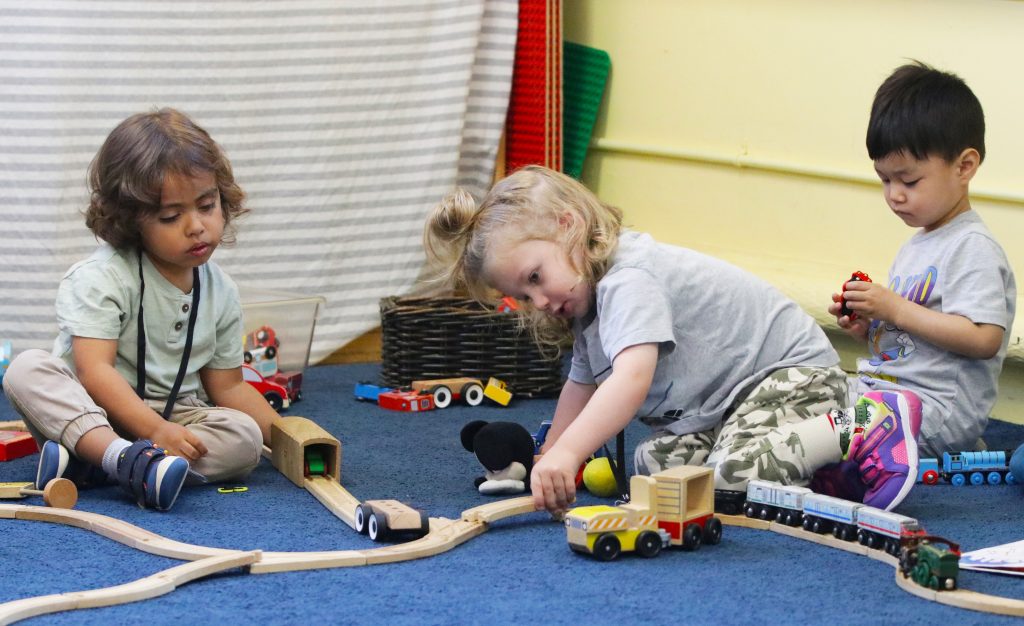
Preschool is a time for new discoveries and learning what it means to be a part of a classroom community. Children are becoming more independent and take pride in their accomplishments—from making friends to doing things all by themselves- everything is exciting. Our warm, safe classroom environment supports students’ growing sense of autonomy, while keeping them fully engaged in creative activities throughout the day. A preschool day is all about having fun while also developing a solid foundation for learning.

Prekindergarten
Prekindergarten
Prekindergarten children are especially interested in making interpersonal connections as they begin to forge exciting friendships. Throughout each day students are immersed in stimulating hands-on activities, enabling them to learn new skills while socializing and collaborating with peers. They are also developing longer attention spans and the ability to express their ideas and feelings.
Transitional Kindergarten
Transitional Kindergarten
Transitional Kindergarten (TK) is a unique program designed for children who are either not quite old enough for kindergarten or just need a little more time before taking the next step. Transitional Kindergarten blends our early childhood philosophy of education with fostering the developmental skills to successfully move into kindergarten. These young explorers thrive in a challenging school environment that also supports their social and emotional growth, while building skills and confidence.
Five Domains of Early Childhood Learning
Social–Emotional Development
Physical Development
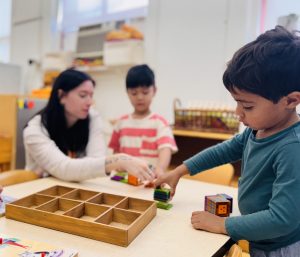
Cognition and General Knowledge
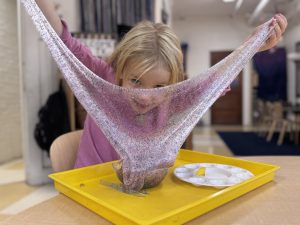
Approaches to Learning
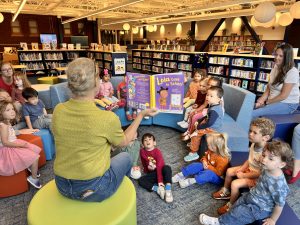
Language and Literacy
Ready for Kindergarten and Beyond
By the end of our early childhood program, our growing children are well prepared to move into kindergarten. They have the skills, confidence, and curiosity to thrive. They know how to ask questions, express ideas, collaborate, and persevere.
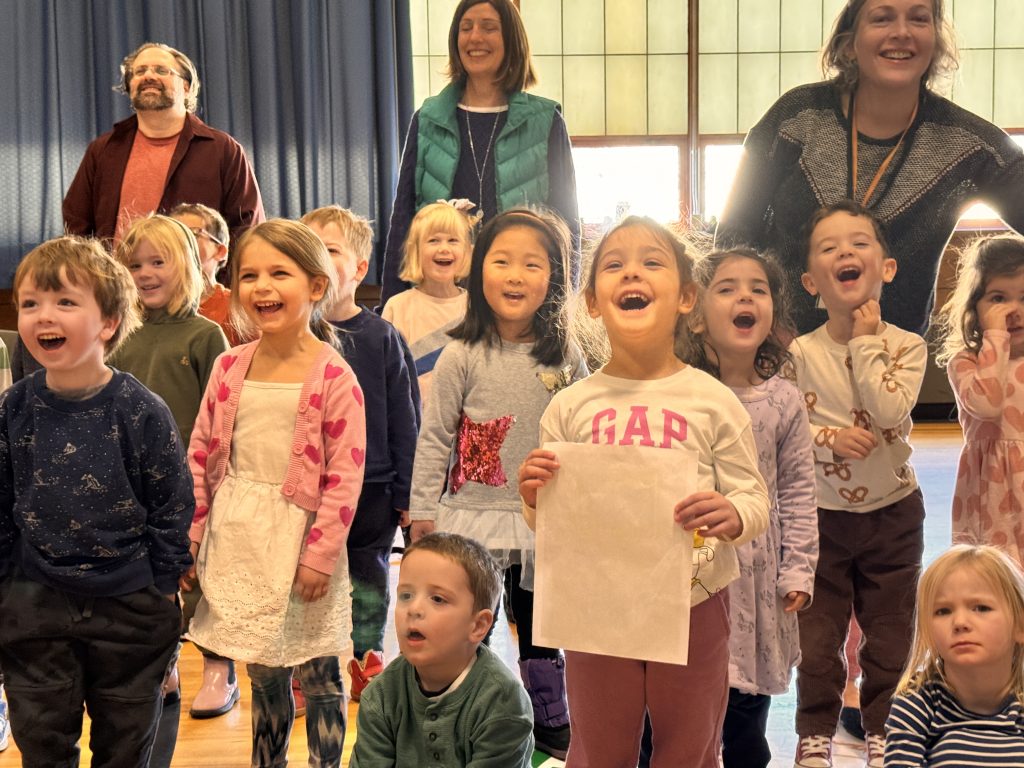
Our Early Childhood Assemblies also play a meaningful role in this growth. These gatherings give children the chance to speak and perform in front of larger audiences, building confidence and a sense of belonging in the broader division. They see what other classes are learning, recognize shared themes in specials, and occasionally join mini-lessons led by specialist teachers. It’s often the quietest children who surprise us most, volunteering to step up and share their voices with pride.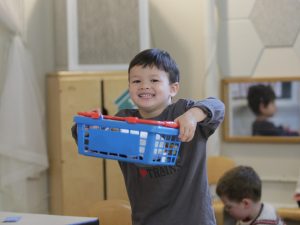
Most of all, children leave our early childhood program seeing themselves as capable learners and valued members of a caring community.
A Multilingual and Inclusive Community
Our classrooms reflect the diversity of our families and the broader world. Children bring their full selves, and languages, into the classroom. Teachers support expressive and receptive communication for all learners, including those from multilingual homes.
Through language play, shared books, and conversations, children gain the tools to understand and be understood. We celebrate the many cultures, identities, and family structures that make our community vibrant.
THE FOUNDATION OF THE EARLY CHILDHOOD PROGRAM
The Learning Environment
The Teacher as “Collaborator”
Observation and Documentation
Project-Based Approach
Educating the Whole Child
Outdoor Exploration and Learning
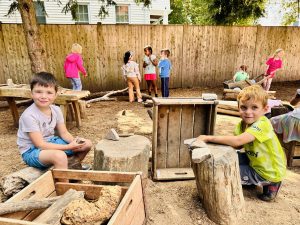
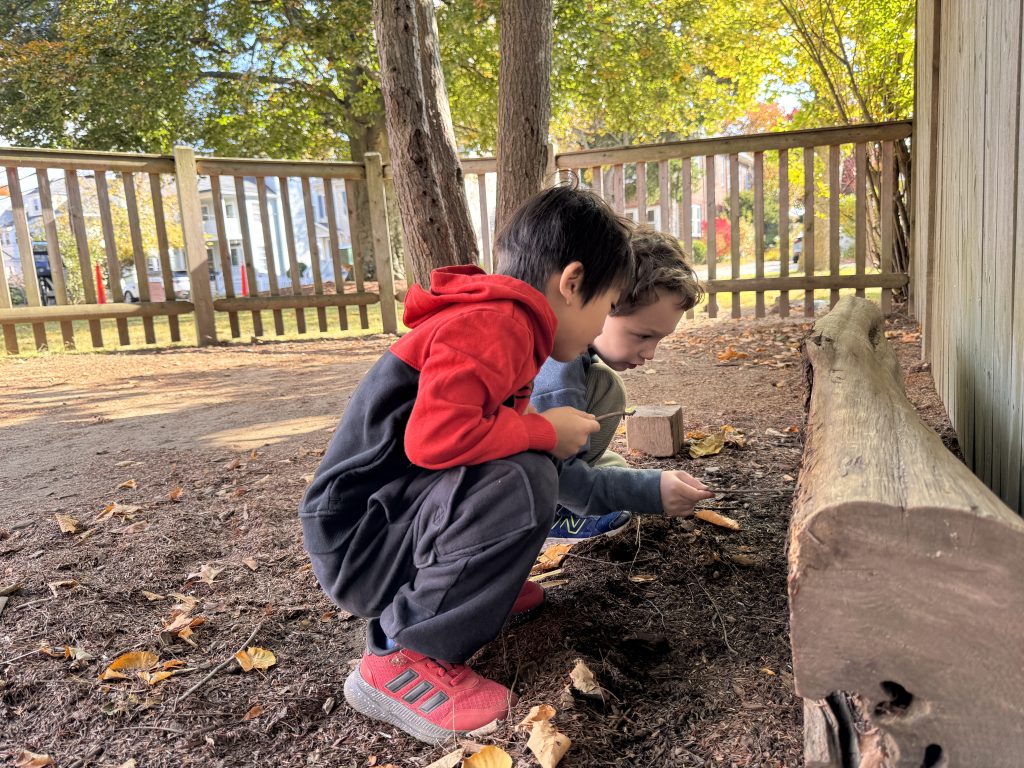
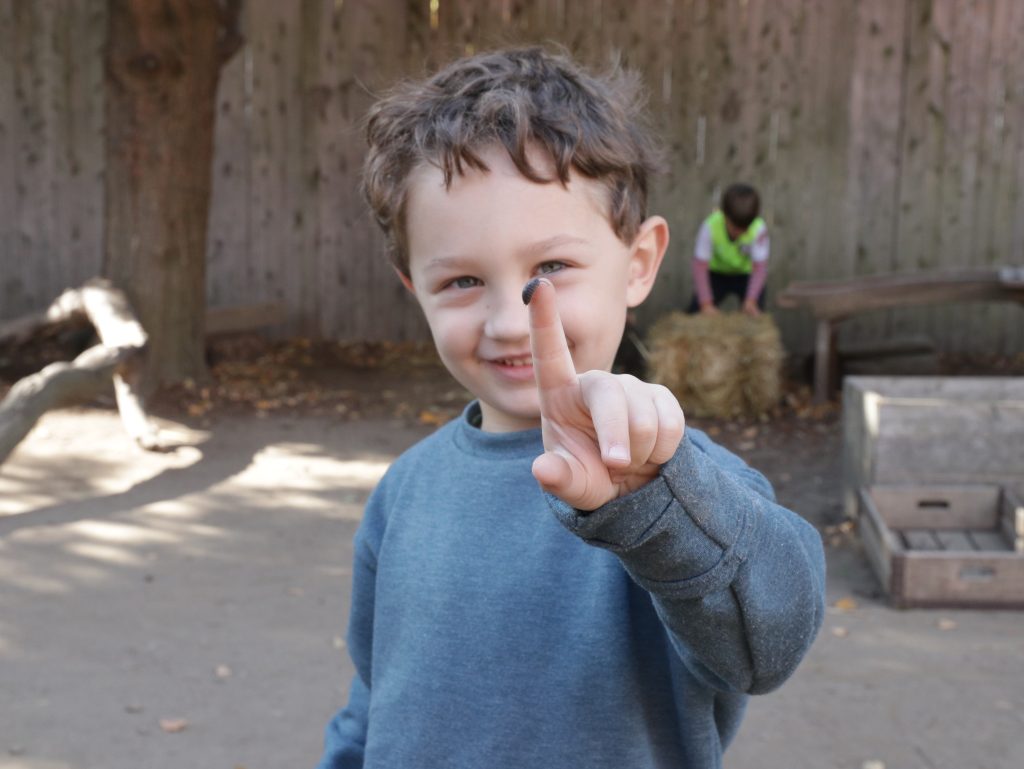
Early childhood students at Lesley Ellis explore new territory in a thoughtfully designed outdoor classroom, where getting dirty is not only ok, it’s part of learning. We know that developmental skills are acquired in all different environments, and we have constructed this space for kids to be immersed in a wholly hands-on world, where learning takes place in unimagined ways. Whether making dinner in the mud kitchen, turning over logs to see who’s hiding, creating music with found objects, or experiencing how water falls down a wall, we aim to provide a canvas for imaginative self-expression in this wonderfully creative, unstructured environment.
Observation, Assessment, and Growth
Assessment in early childhood looks different at Lesley Ellis. Teachers are expert observers, documenting progress through portfolios, photos, and narrative notes that celebrate each child’s development.
Families also receive daily snapshots of classroom life through “Today We,” a brief digital journal that shares highlights from the day. In words and pictures, it often features which specials the children participated in, special guests who visited, and key learning moments. Parents appreciate this window into the classroom, as it offers rich talking points for the car journey home (especially when “What did you do today?” gets answered with “Nothing!”).
To strengthen our ongoing observation and deepen our understanding of each child, we also use the Ages & Stages Questionnaire (ASQ), a developmental screening tool widely used by pediatric practices, early intervention programs, and Head Start agencies. The ASQ is completed by parents and helps assess growth in communication, gross motor, fine motor, problem-solving, and personal-social skills.
At Lesley Ellis, we use the ASQ to gain insight into children’s development from both the teacher and family perspectives. It also helps us look at trends across our classrooms. For example, one year’s results showed that while most of our children were developing typically, their strongest area was problem solving and their lowest was fine motor ability. In response, teachers increased fine motor opportunities in class and shared ideas with parents for home. The tool also provides a common language for home and school, helping families and educators talk concretely about developmental milestones and next steps.