


Anti-bias Curriculum
Stereotypes keep us all from knowing each other well and discourage real thinking about differences. Our award-winning anti-bias curriculum provides a framework for considering the effects of bias, stereotypes, and labels in our culture and on each other.
More than a social curriculum, it is also an approach to developing critical thinking. Students who are comfortable questioning social stereotypes will also question academic assumptions, read with greater discernment, and think more deeply about the processes of analysis and interpretation.
The anti-bias curriculum at Lesley Ellis is infused throughout our entire community and is as much a way of life as it is an intentionally designed program. We aim to give children a tangible framework for considering the effects of bias, stereotypes, and labels in our culture and on each other, while also giving them the tools to be proactive, ethical, and independent critical thinkers.
As students’ understanding of bias develops, so too does their understanding of people and cultures, as well as the systems of advantage and oppression that exist in the world. With increased understanding comes the development of essential skills that can be broadly applied in all areas of their education and individual lives:
-
how to distinguish between opinion and fact;
-
how to draw valid conclusions from observations;
-
how to respond to situations of bias and discrimination.
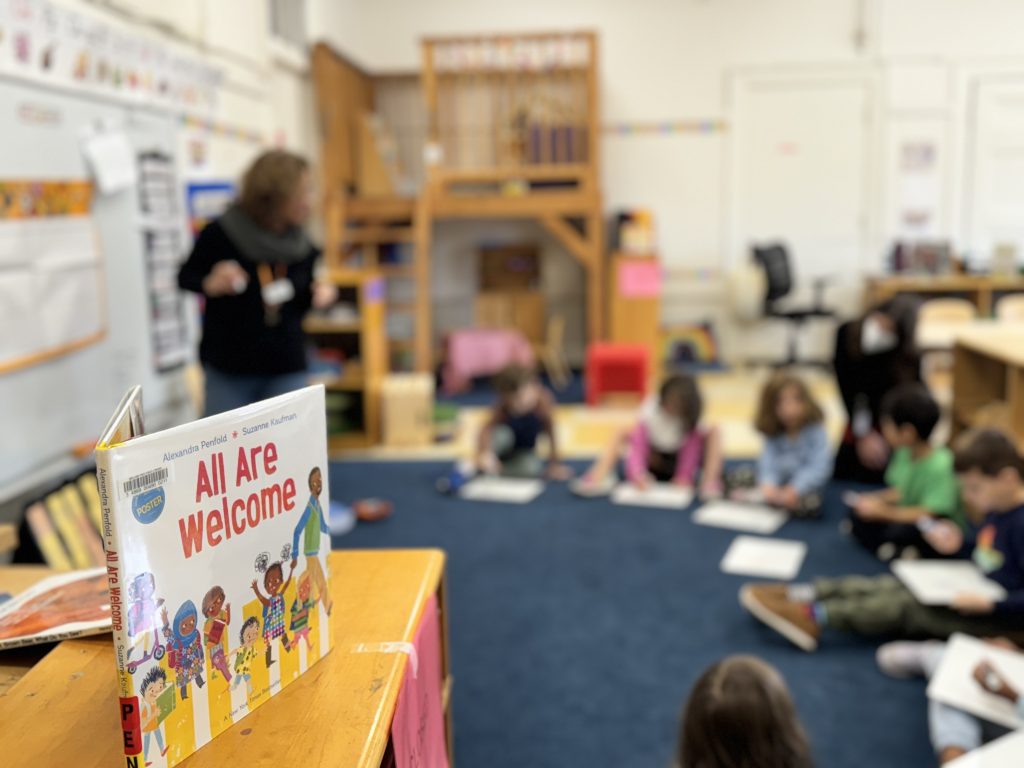
Thinking Deeply, Acting Kindly
Anti-bias education is not an initiative at Lesley Ellis; it is who we are. From our founding, we have understood that children are natural observers and meaning-makers, eager to notice difference, ask questions, and make sense of the world around them. Our approach is rooted in a developmental model that honors this curiosity, engaging students intellectually and socially as they learn to think critically, reflect deeply, and navigate complex interpersonal realities with empathy and confidence.
This longstanding commitment was recognized nationally in 2005, when Lesley Ellis received a prestigious award for leadership in anti-bias education. That recognition affirms what has always guided us and continues to shape our future: a belief that rigorous academics and social understanding are inseparable, and that educating thoughtful, self-aware, and socially responsible learners requires intentional, values-driven practice every day.
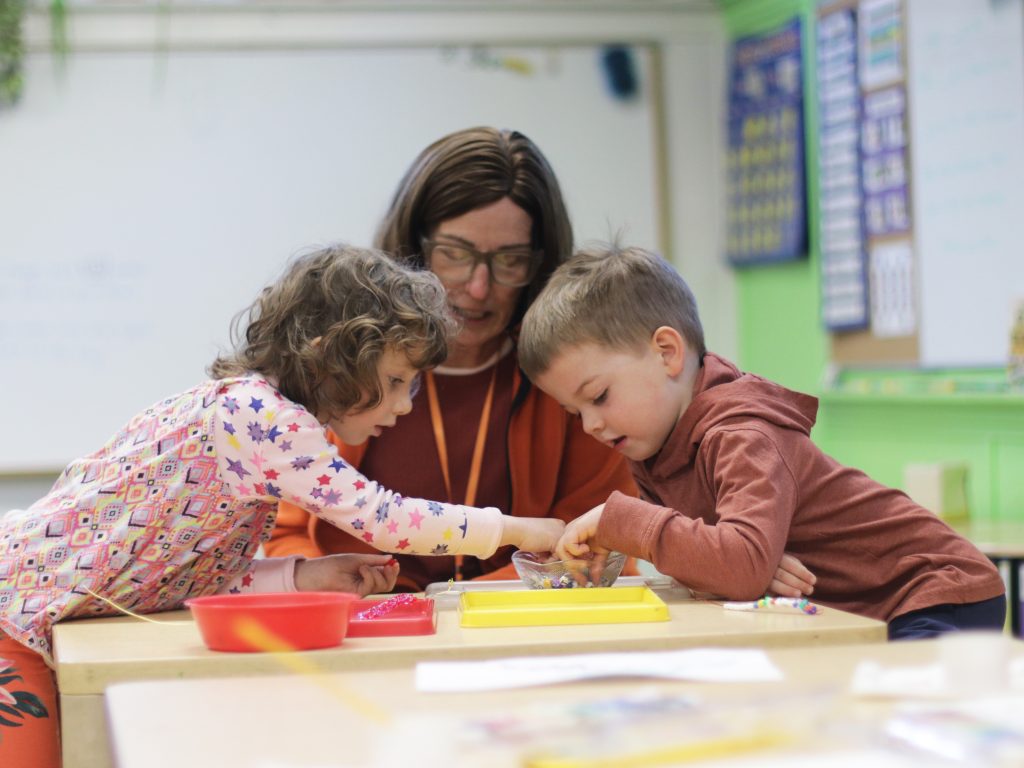
Lesley Ellis teachers are trained to encourage discussions about differences. As such we proactively address eight major areas of bias: racism, sexism, heterosexism, ableism, classism, ageism, religious intolerance, and size acceptance.
Talking about differences can be uncomfortable and emotionally challenging. Family perspectives sometimes conflict with school and/or social points of view, and past individual experiences can be emotional pressure points. But when we address our differences intentionally and respectfully—from a place that is welcoming and safe—we honor our students’ ability to be open minded. And we honor the diversity in all the communities to which we belong so that we are better equipped to be aware and responsible citizens.
It’s the Differences That Count
The Program
Our anti-bias curriculum is grounded in the Learning for Justice Social Justice Standards and guided by four essential principles: Identity, Diversity, Justice, and Action.
Students begin by developing a strong understanding of who they are, their identities, experiences, and sense of self. They grow in their ability to understand and appreciate others, building empathy and respect for diverse perspectives and lived experiences. Through age-appropriate exploration, students learn to recognize what is fair and equitable, examining bias and injustice in thoughtful, developmentally responsive ways. Finally, students are encouraged to take action, applying what they’ve learned to contribute positively to their communities and the wider world.
Together, these principles shape a learning environment that fosters confident, compassionate students who are prepared to engage thoughtfully and responsibly in an increasingly complex and interconnected world.